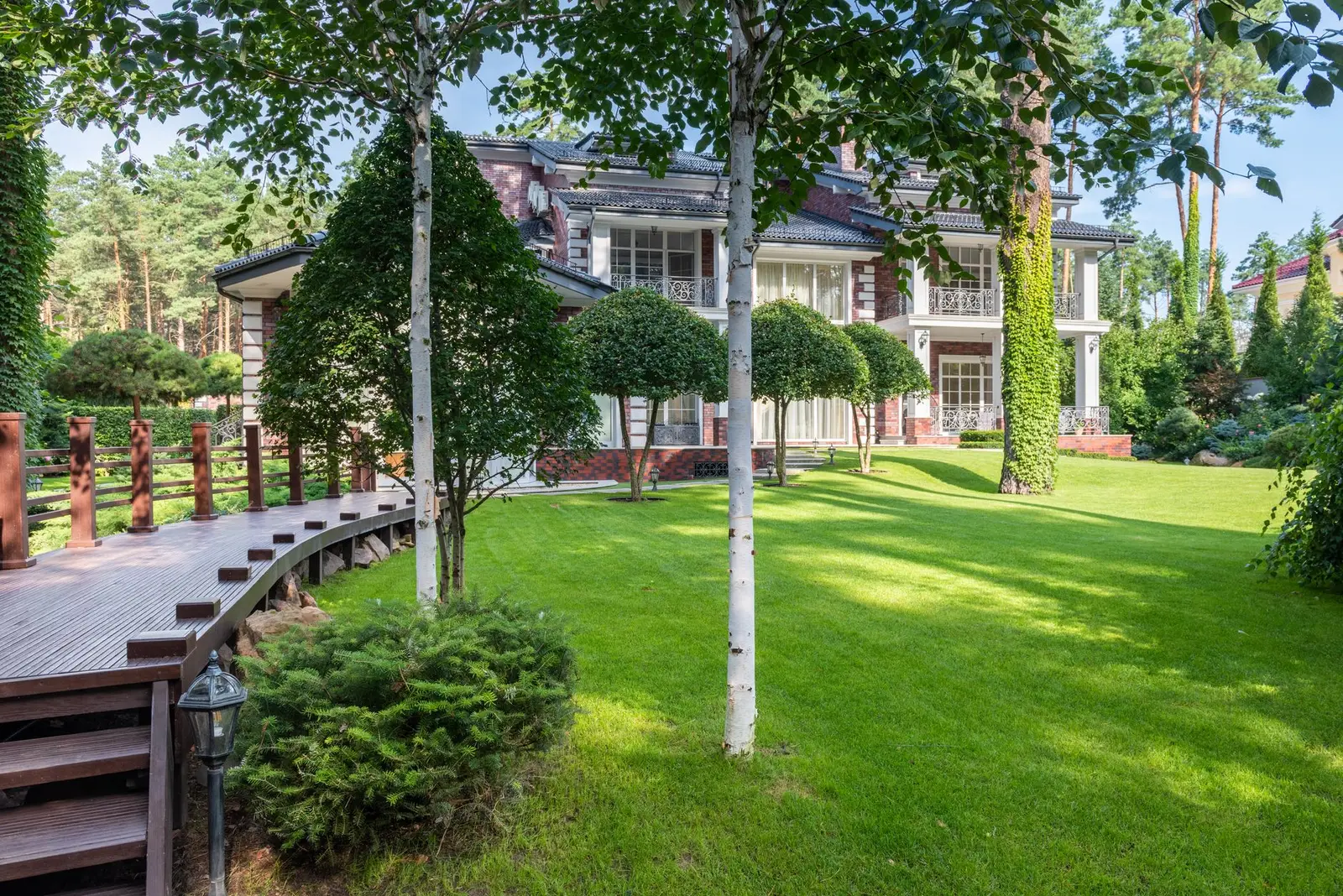
A step-by-step fall cleanup checklist built for the North Alabama transition zone, covering leaves, final mowing, overseeding, winter pre-emergent, and protecting plants before the first frost.
Fall cleanup in North Alabama means clearing leaves, dropping warm-season turf for its final cuts, overseeding fescue, laying down a winter pre-emergent, refreshing beds, and protecting tender plants before the first frost. Work through these tasks from mid-September into November to set your lawn up for a healthy spring.
Our humid subtropical climate and long, warm-then-mild transition season give Huntsville-area homeowners a real window to get ahead. The work you do now in Madison, Hampton Cove, or out toward Hartselle pays off in fewer weeds, stronger turf, and a yard that wakes up clean. Here is the checklist we follow.
What should be on a North Alabama fall cleanup checklist?
A complete fall checklist covers leaves, the final mow, gutters, bed cleanup and mulch, fescue overseeding, a winter pre-emergent, trimming, frost protection, and storing equipment. Tackle them roughly in that order so each step builds on the last and nothing gets buried under a layer of fallen leaves.
- Remove leaves regularly. A thick mat of wet leaves blocks sunlight and traps moisture against the crowns, inviting fungal disease and smothering grass. Rake, blow, or mulch-mow leaves before they pile up rather than waiting for one big cleanup.
- Give the lawn its final mow at the right height. Your last cuts of the season set the turf up for dormancy or winter growth, depending on grass type. More on heights below.
- Clean gutters before peak leaf-drop, then again after. Clogged gutters overflow against the foundation and fascia. In North Alabama our oaks and other hardwoods drop heavily into late fall, so plan on a second pass.
- Clean out beds and refresh mulch. Pull spent annuals and faded perennials, edge the beds, and top off mulch to roughly 2 to 3 inches. Fresh mulch insulates roots through our occasional cold snaps and suppresses winter weeds.
- Overseed Tall Fescue. Early fall is the single best time to seed or thicken fescue in our region.
- Apply a fall pre-emergent. This is your defense against winter annual weeds. Time it carefully around overseeding (see below).
- Trim shrubs and tidy edges thoughtfully. Late-season pruning has rules worth knowing.
- Protect tender plants before the first frost. Watch the forecast and act when temperatures threaten to dip.
- Store and prep equipment. End the season with tools ready for spring.
How low should I mow for the final cut?
Set your last mow by grass type. Warm-season Bermuda and Zoysia should be lowered gradually over the final cuts to about 1 to 1.5 inches as they enter dormancy, which removes excess top growth that can mat and harbor disease. Cool-season Tall Fescue stays tall, around 3 to 3.5 inches, to protect its crown and keep growing through our mild winter.
The key word is gradually. Never remove more than about a third of the blade in a single mow. Scalping a warm-season lawn in one pass stresses the turf right when it is trying to store energy for winter. For fescue, resist the urge to cut it short before winter; the extra height shades the soil, holds moisture, and keeps the plant photosynthesizing on our many mild days.
When and how do I overseed fescue in North Alabama?
Overseed Tall Fescue in early-to-mid fall, generally from mid-September through October, while soil is still warm enough for fast germination but air temperatures have cooled. Mow low, rake or core-aerate to expose soil, spread quality fescue seed, and keep the seedbed consistently moist for the first two to three weeks until the new grass establishes.
Fall is far better than spring for fescue because the young seedlings get months of mild weather to root deeply before next summer’s heat. A few notes for our area:
- Aerate first if your soil is compacted. North Alabama’s red clay packs down hard, and aeration opens it up so seed and water reach the root zone.
- Keep it watered, not soaked. Light, frequent watering beats one heavy soaking that washes seed into low spots.
- Coordinate with your pre-emergent. Most pre-emergents also stop grass seed from germinating, so do not apply a standard pre-emergent over newly seeded areas.
How do I handle fall pre-emergent and overseeding together?
You generally cannot apply a standard pre-emergent and overseed fescue in the same spot at the same time, because the pre-emergent prevents your new seed from sprouting. Plan around it: overseed first and let the fescue establish, or apply pre-emergent only to areas you are not seeding. A fall pre-emergent applied roughly September to October stops winter annuals like Poa annua, henbit, and chickweed before they emerge.
Here is a quick reference for the two main fall paths:
| Task | Best timing (North AL) | Why it matters | Watch out for |
|---|---|---|---|
| Overseed Tall Fescue | Mid-Sept to October | Roots establish before summer heat | Do not cover with pre-emergent |
| Fall pre-emergent | Sept to October, before soil cools | Blocks Poa annua and other winter weeds | Will stop new grass seed too |
| Final warm-season mow | Through October | Reduces matting and disease in dormancy | Lower gradually, never scalp |
| Frost protection | Before first frost (often early-mid Nov) | Saves tender plants from cold damage | Watch the forecast closely |
If you want both a thicker fescue lawn and clean winter weed control, the simplest approach is to seed your fescue zones and pre-emergent your dormant Bermuda or Zoysia zones, keeping the two treatments separated.
How do I protect plants before the first frost?
Protect tender plants by watching the forecast and acting before the first frost, which around Huntsville often lands in early-to-mid November. Water plants well a day ahead, since moist soil holds heat better than dry soil, and cover frost-sensitive shrubs and potted plants with breathable fabric overnight. Move containers to a sheltered spot or against the house.
A few practical reminders for our transition-zone winters:
- Mulch the root zones of newer or borderline-hardy plantings to buffer the swings between mild days and cold nights.
- Hold off on hard pruning of spring-blooming shrubs like azaleas and hydrangeas. Cutting them in fall removes next spring’s flower buds. Light shaping and removal of dead or damaged wood is fine.
- Uncover plants in the morning once temperatures rise so they do not overheat under cover.
What about storing and prepping for next year?
End the season by cleaning and storing your tools, draining hoses, and prepping equipment so spring starts smoothly. Drain or stabilize fuel in mowers and trimmers, sharpen mower blades, and store hoses and decorative containers out of freezing conditions. A clean, sharp blade going into storage means a cleaner first cut next year.
This is also the moment to assess what worked and what did not. Note the bare spots, the drainage issues that showed up after heavy rain, and the beds that need redesigning. Fall is an excellent time to plan hardscaping or landscape changes for the coming year while the season’s lessons are fresh.
A thorough fall cleanup is real work, and it lands during the busiest leaf-drop weeks of the year. If you would rather hand it off, Olympic Mountain Landscaping handles full fall cleanups across the Huntsville metro and greater North Alabama, from leaf removal and final mows to overseeding, mulch, and frost prep. Request a free estimate and we will get your yard ready for winter and set up for a strong spring.
Frequently asked questions
When should I do fall cleanup in North Alabama?
In North Alabama, start fall cleanup in mid-to-late September and finish before the first hard frost, which typically arrives in early-to-mid November around Huntsville. Overseed fescue and apply your winter pre-emergent early in this window, then handle leaves and bed cleanup as the canopy drops.
What height should I mow my lawn for the last cut of fall?
Drop warm-season Bermuda and Zoysia slightly for the final cuts, finishing around 1 to 1.5 inches as the grass goes dormant. Keep Tall Fescue taller, near 3 to 3.5 inches, through fall and winter so it stays insulated and continues photosynthesizing during our mild cool season.
Do I really need a fall pre-emergent in Alabama?
Yes. A fall pre-emergent applied around September to October stops winter annual weeds like Poa annua and henbit before they germinate in cooling soil. Skipping it almost guarantees a weedy late-winter lawn, since these weeds sprout in fall and overwinter quietly until spring.
Keep Reading
More from the blog

How Often Should You Mow Your Lawn in Alabama?
Most North Alabama lawns need mowing about once a week through the growing season, less often in spring and fall, and rarely during winter dormancy.
Read article
When to Fertilize Your Lawn in Huntsville, AL: A Season-by-Season Guide
A practical, season-by-season guide to fertilizing lawns in Huntsville and North Alabama, with timing for warm-season Bermuda and Zoysia versus cool-season Tall Fescue.
Read article
Bermuda vs. Fescue: The Best Grass for North Alabama Lawns
Bermuda thrives in full sun and heat but goes dormant in winter, while Tall Fescue stays green year-round in shade. Here is how to choose for North Alabama's transition zone.
Read article